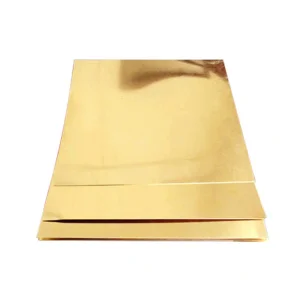
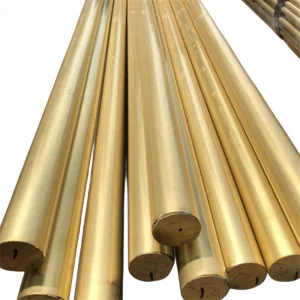
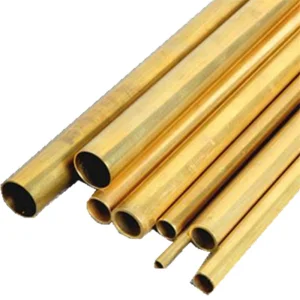
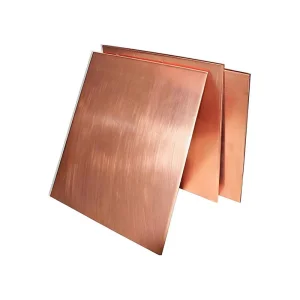
 Baimaoxing
Baimaoxing
Baimaoxing
In the contemporary industrial ecosystem, the role of copper factories and manufacturing facilities has transitioned from mere commodity supply to the cornerstone of the global energy transition. As the world pivots towards electrification, decarbonization, and high-tech infrastructure, the demand for high-purity copper and specialized copper alloys—such as C1100 (T2), C122, and various brass grades—has reached unprecedented levels.
Modern copper factories are no longer just smelters; they are high-tech processing hubs integrating R&D, metallurgical precision, and just-in-time logistics. For stakeholders and procurement managers, understanding the Information Gain behind material sourcing is critical. It is not just about price; it is about the structural integrity of the supply chain, the conformity to international standards (ASTM, JIS, DIN), and the technological capability to deliver custom alloy specifications that drive aerospace, renewable energy, and precision electronics.
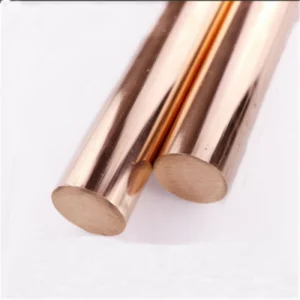
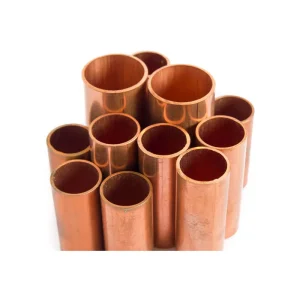
Global industrialization is characterized by the need for superior conductivity and corrosion resistance. Our facilities address this by bridging the gap between raw cathode production and final application. We operate within a framework of Vertical Integration, ensuring that from the raw copper rod (T1/T2/T3/TU1) to the final seamless tubing (ASTM B280), quality is maintained through strict QC checkpoints at every stage of the manufacturing lifecycle.
Navigating international markets requires more than just high-quality metal; it requires rigorous documentation and certification. Our manufacturing standards adhere to:
The future of the copper industry is defined by Smart Manufacturing (Industry 4.0). Our R&D roadmap focuses on:
Our products serve a diverse array of mission-critical sectors:
A: Consistency in metallurgical composition directly impacts downstream processing efficiency. A reliable factory ensures that trace elements in copper alloys are within tight tolerances, preventing failures in electrical conductivity or structural welding.
A: Yes, our flexible manufacturing lines are designed to handle both large-scale industrial orders and small-batch specialized R&D requests, providing versatility for prototyping and production.
A: Every batch undergoes spectrometer analysis and mechanical testing, with full mill test reports provided for all shipments to ensure ASTM/EN compliance.