 Baimaoxing
Baimaoxing
Baimaoxing
The global stainless steel market, valued at over USD 110 billion in 2023, is undergoing a profound transformation driven by the "Green Transition" and "Industry 4.0." As leading stainless steel manufacturers and suppliers, the industry is moving beyond simple commodity production toward high-performance alloy engineering. Today, the Asia-Pacific region, led by industrial hubs like Shandong, China, accounts for over 70% of global output, providing the backbone for international infrastructure, automotive, and energy sectors.
Tons Global Production
CAGR Growth Rate
Recyclability Rate
Modern industrial demand has shifted from standard 304 grades to specialized 316L, duplex, and super-austenitic steels. This evolution is necessitated by the increasingly extreme environments in offshore wind energy, hydrogen storage, and deep-sea exploration, where corrosion resistance and structural integrity are non-negotiable.
Leveraging AOD (Argon Oxygen Decarburization) and VOD (Vacuum Oxygen Decarburization) processes to ensure ultra-low carbon content and precise alloying element distribution.
From 2B, BA to No.4 and 8K Mirror finishes. Our treatment technologies enhance both the aesthetic appeal and the passivity layer of the stainless steel.
Adhering strictly to ASTM, ASME, and DIN standards. Every batch undergoes PMI (Positive Material Identification) and mechanical testing to guarantee reliability.
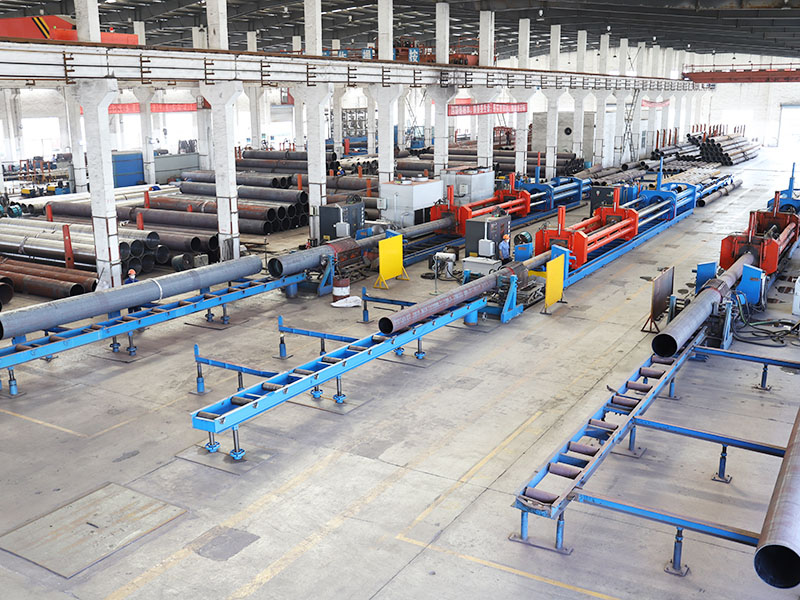
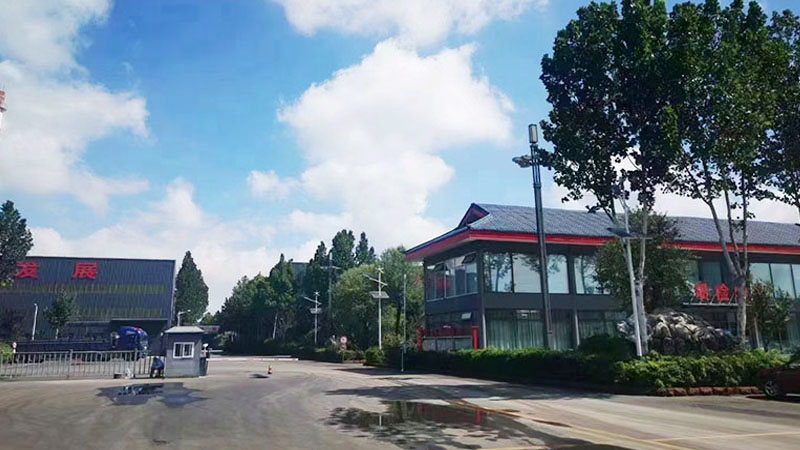
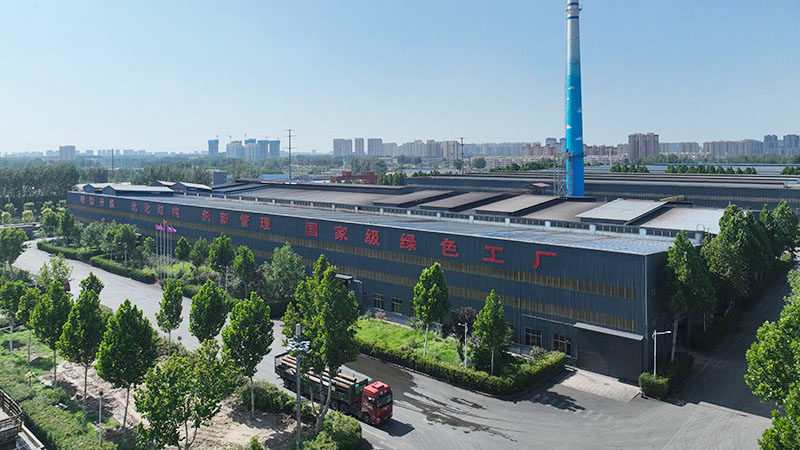
Located in the heart of China's steel industry—Liaocheng City, Shandong Province—Baimaoxing is a premier global stainless steel manufacturer. Our integrated ecosystem spans R&D, advanced processing, and global logistics services.
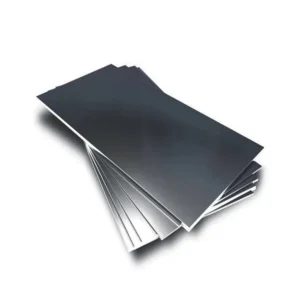
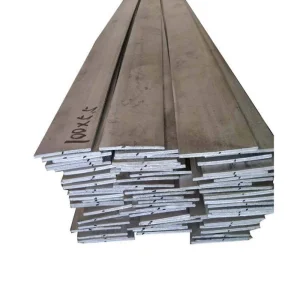
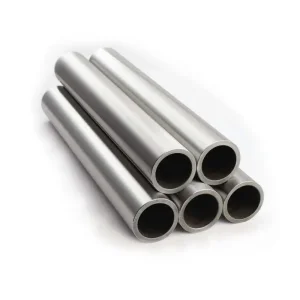
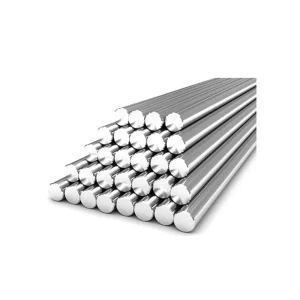
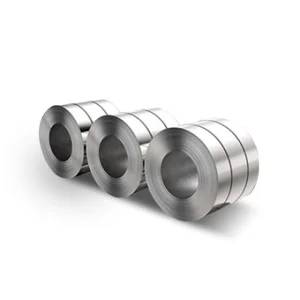
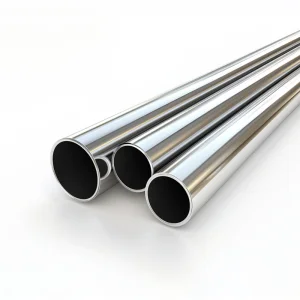
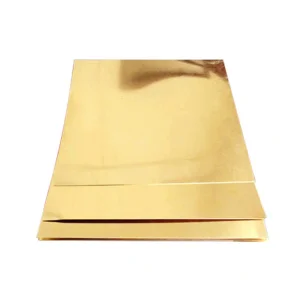
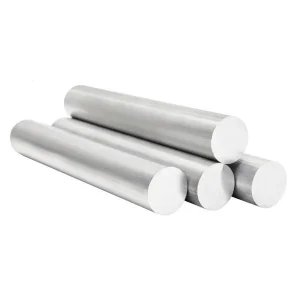
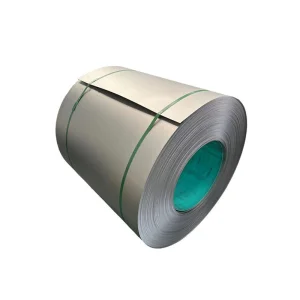
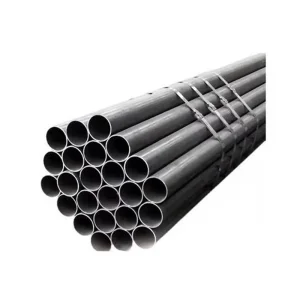
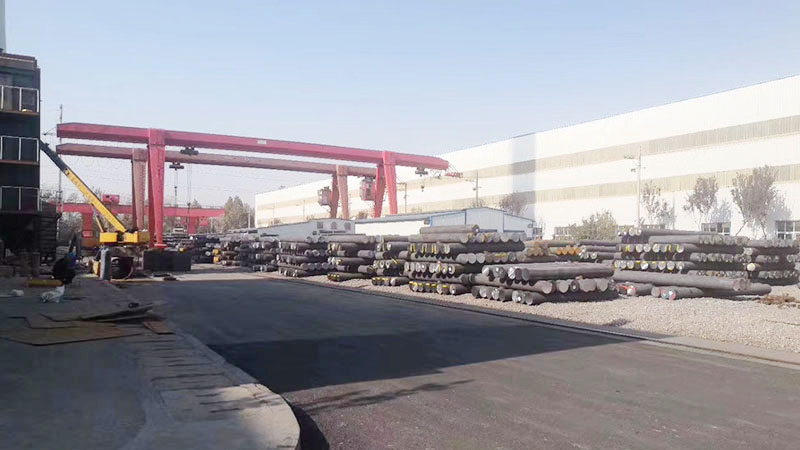
Our expansive business portfolio covers everything from high-grade stainless steel pipes and coils to specialized titanium and copper alloys. By adopting a scientific management model, we serve critical industries including aerospace, military equipment, petrochemicals, and precision machining.
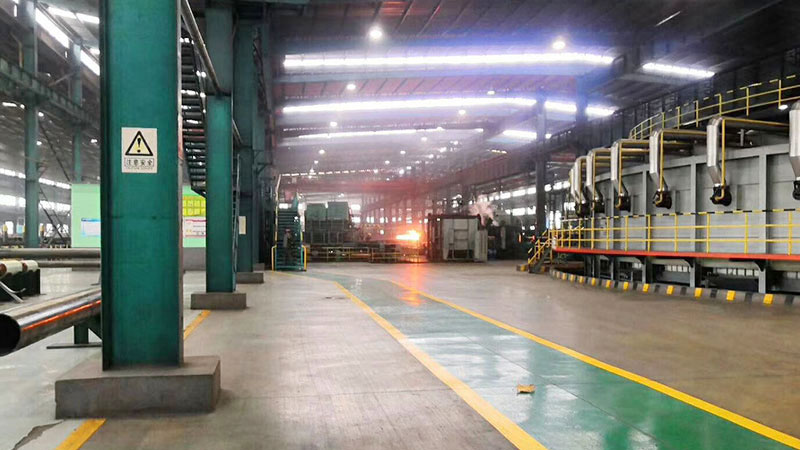
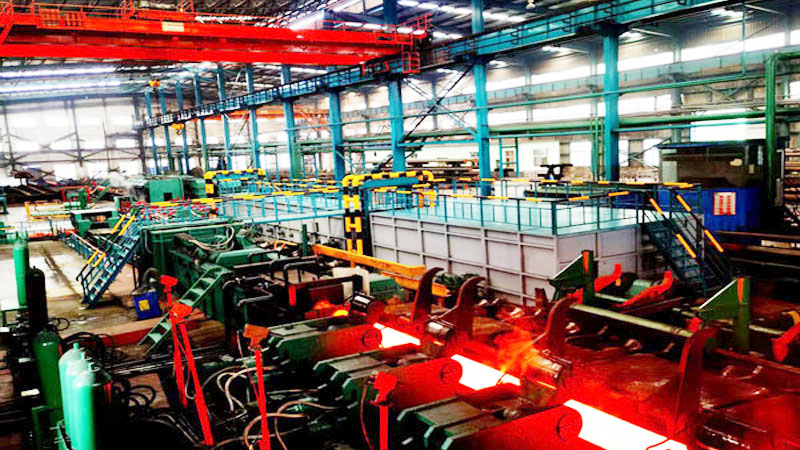
The integration of AI and IoT into the rolling and annealing processes allows for real-time monitoring of grain structure formation. This "Smart Factory" approach, pioneered by top-tier suppliers, reduces material waste by 15% and ensures a 99.9% consistency rate across production batches.
As carbon taxes and ESG (Environmental, Social, and Governance) criteria become standard in procurement, manufacturers are pivoting toward hydrogen-based reduction and electric arc furnace (EAF) technologies powered by renewable energy. Stainless steel is naturally a champion of the circular economy, with nearly 100% recyclability without loss of quality.
While China remains the global production hub, "Local-for-Local" strategies are rising. Suppliers are now offering customized warehousing and just-in-time (JIT) delivery to mitigate the risks of maritime logistics fluctuations.
While 304 is the standard for general applications, 316 contains 2-3% Molybdenum, which provides superior resistance to chlorides (sea water, de-icing salts). For coastal or chemical processing environments, 316 is the mandatory choice for longevity.
Always request a Mill Test Certificate (MTC) according to EN 10204 3.1. Additionally, ISO 9001 for quality management and SGS or TUV reports for chemical composition verification are critical for E-E-A-T compliance.
Yes. Modern manufacturers offer laser cutting, CNC bending, and plasma welding services. This "One-Stop" approach reduces secondary processing costs and ensures that the structural integrity of the alloy is maintained throughout fabrication.
Standard stock items (sheets/pipes) typically ship within 7-10 days. Custom alloy specifications or unique dimensions generally require 25-45 days depending on the smelting schedule and complexity of the processing required.