 Baimaoxing
Baimaoxing
Baimaoxing
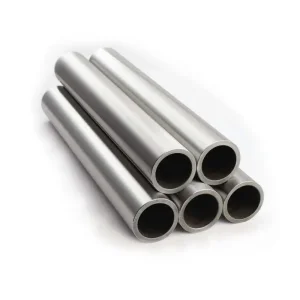
In the global industrial landscape, Carbon Steel Tubes serve as the circulatory system of infrastructure—from deep-sea oil extraction to skyscraper climate control. As a leading OEM manufacturer, we have transitioned from traditional manufacturing to a data-driven paradigm. Modern carbon steel tube production now integrates IoT-based quality monitoring, where every millimeter of the weld seam is subjected to ultrasonic and radiographic testing. By optimizing carbon equivalent (CE) values, our metallurgical team ensures that the tubes exhibit not only high tensile strength but also superior weldability and ductility, essential for complex engineering projects.
The resilience of the Chinese steel supply chain is built on vertical integration. Unlike fragmented markets, our manufacturing ecosystem encompasses the entire value chain—from iron ore procurement and coke production to precision cold-drawing and heat treatment processes. This integration allows for unprecedented agility. Whether a client requires ASTM A106 Grade B pipes for high-temperature service or customized structural steel hollow sections, we can adjust production parameters in real-time. Our commitment to ISO 9001:2015 standards and rigorous E-E-A-T (Experience, Expertise, Authoritativeness, Trustworthiness) practices ensures that "Made in China" translates to global standard reliability.
Our carbon steel tubes are engineered for diverse environments:
The future of carbon steel manufacturing lies in sustainability and "smart" metallurgy. Our current R&D focus is on "Green Steel" production, significantly reducing the carbon footprint of the blast furnace process through hydrogen-based reduction and energy recovery systems. Furthermore, we are implementing digital twin technology in our workshops. This creates a virtual replica of the production line, allowing us to predict maintenance needs and optimize rolling speeds before physical production begins. This foresight minimizes downtime, passing cost savings and timeline reliability directly to our OEM partners.
Navigating global regulatory landscapes requires deep expertise. Our products adhere strictly to international standards, including ASTM, ASME, DIN, JIS, and EN. We manage complex documentation requirements—from Mill Test Certificates (MTC) to third-party inspections (SGS, BV). Our team provides comprehensive support for local compliance, ensuring that every shipment meets the specific regulatory thresholds of the destination country, whether in the EU, Americas, or Southeast Asia.
Q: What is the primary difference between hot-rolled and cold-drawn carbon steel tubes?
A: Hot-rolled tubes are produced at high temperatures, offering better ductility and lower costs, ideal for structural applications. Cold-drawn tubes are processed at room temperature, providing superior surface finish, tighter tolerances, and increased mechanical strength for precision applications.
Q: Can you accommodate custom chemical compositions for specific OEM projects?
A: Yes. Our metallurgical laboratory can adjust alloying elements—such as manganese, silicon, and sulfur—to meet specific requirements for weldability, hardness, or corrosion resistance.
Q: How do you ensure the quality of long-distance shipments?
A: We utilize multi-layer protective packaging, including anti-corrosion oils, VCI paper, and reinforced end caps to prevent mechanical damage during transit. Every container load is documented with digital photographs for full traceability.