Baimaoxing Baimaoxing

High-Quality Factory supplier of aluminum alloy sheets: 1050, 1100, 3003, 5083, 6061, 6063, 7075 Supplier, Factory

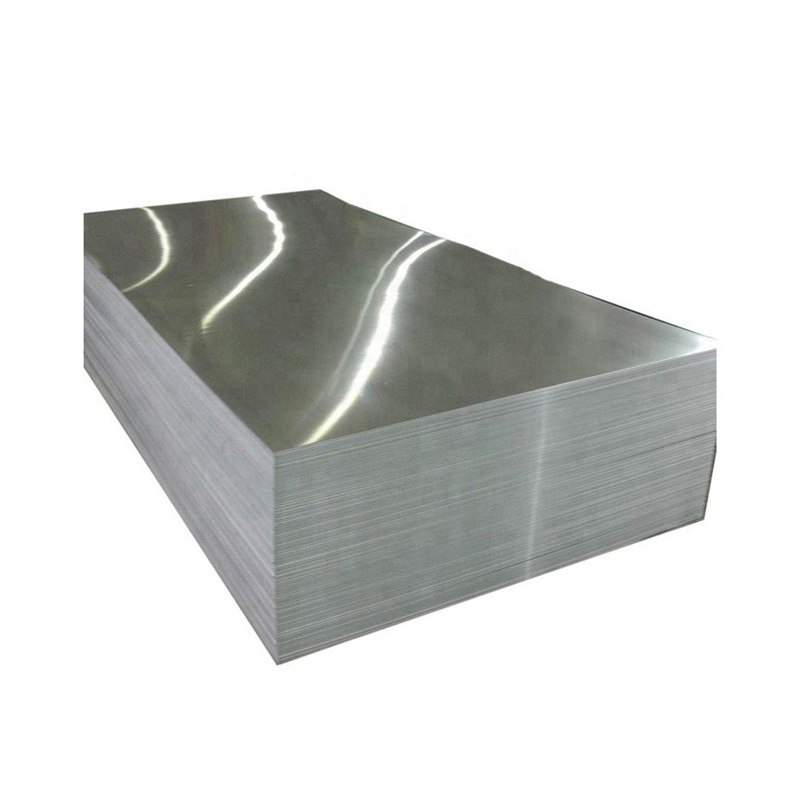
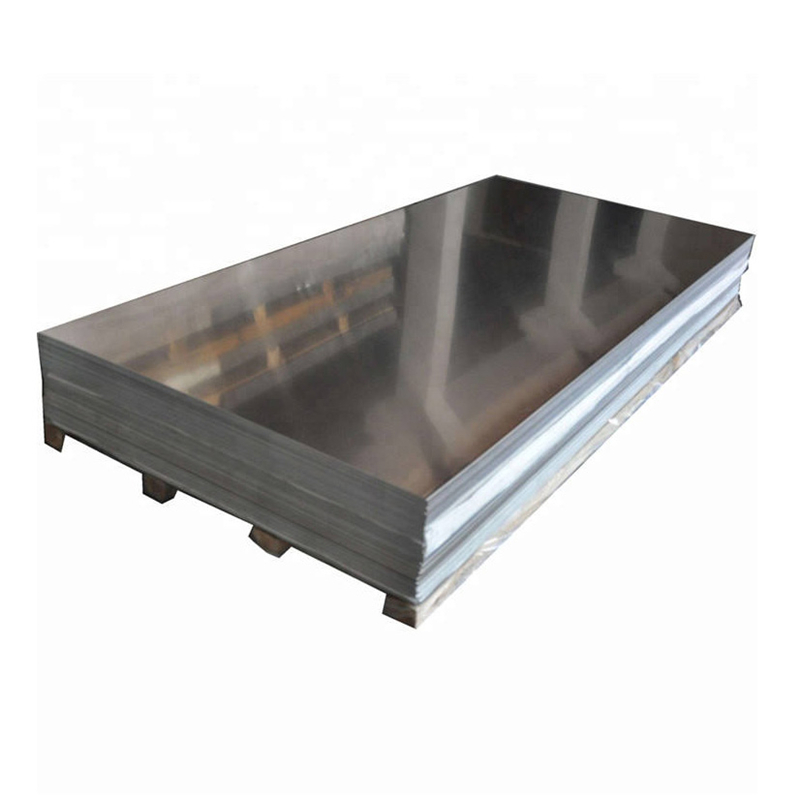
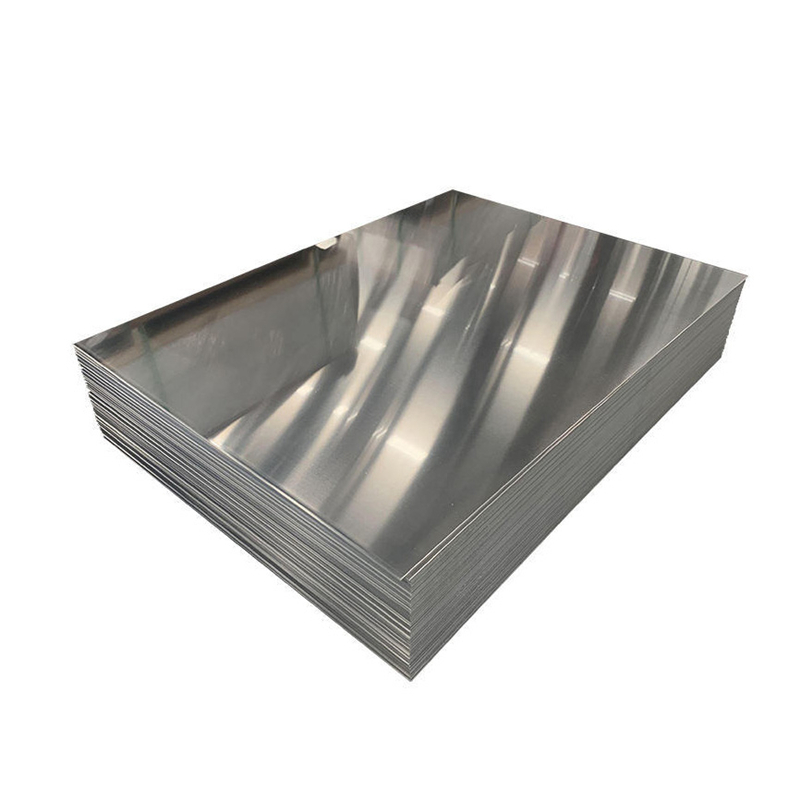
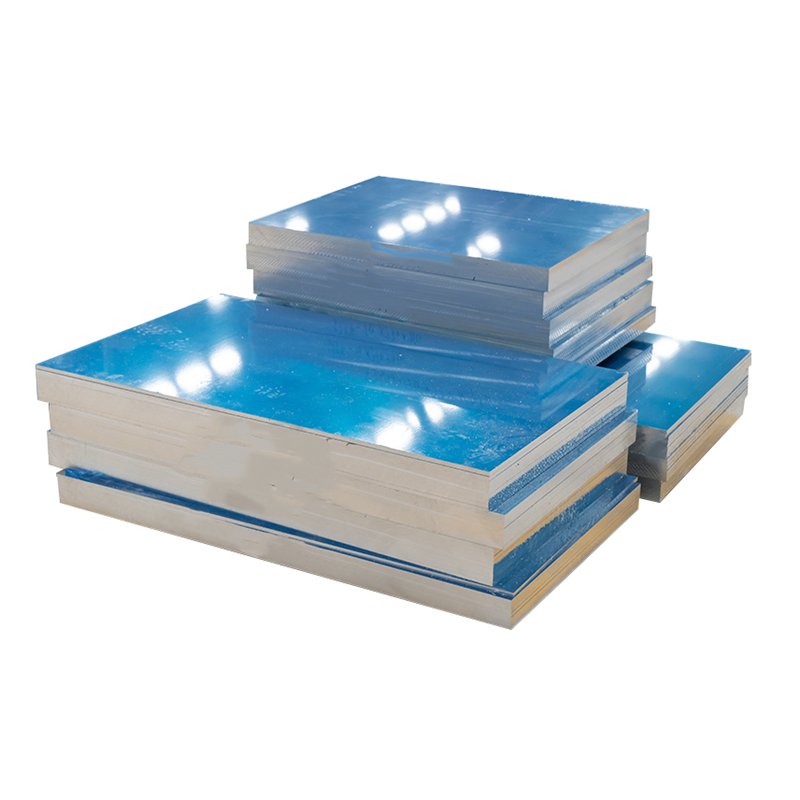
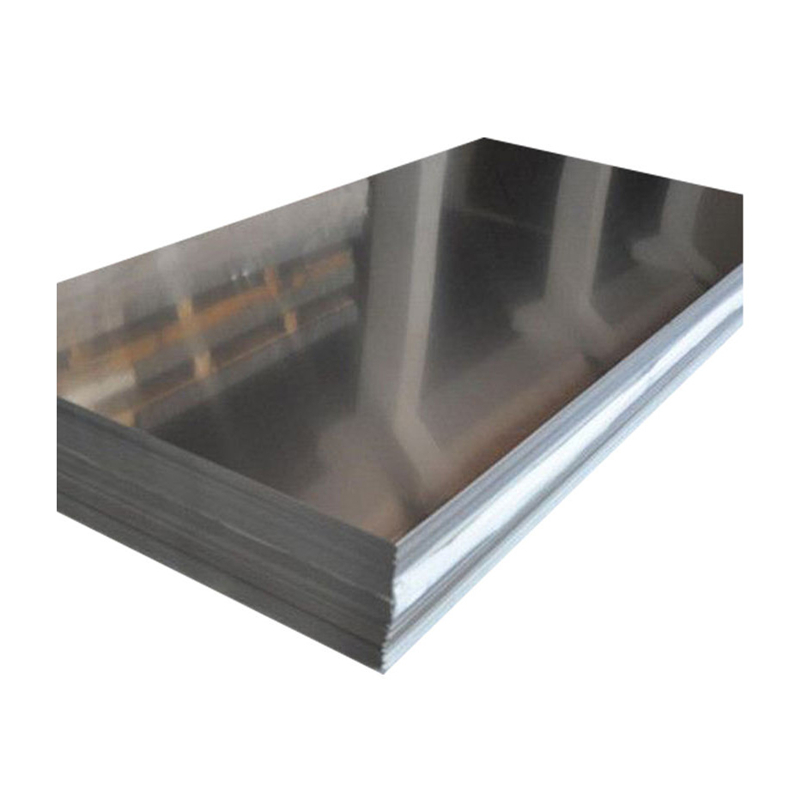
Aluminum sheets are lightweight metal sheets, with mainstream grades including 1060 pure aluminum, 3003 rust-resistant aluminum, and 5052 wear-resistant aluminum. Surface treatments include anodizing, spraying, brushing, and coating. Thickness ranges from 0.2mm to 10mm, with standard widths of 1000/1220mm and lengths of 2000/2440mm, and customization is also supported. Suitable for architectural decoration, electronic housings, transportation components, and other applications, combining lightweight and corrosion resistance.

Product Description

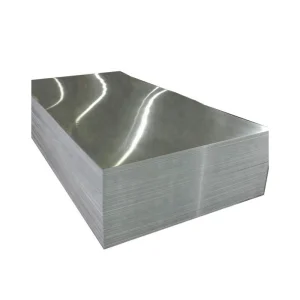
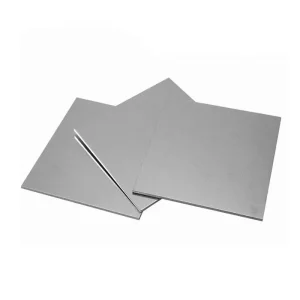
Aluminum Plate

Aluminum plates are high-value lightweight metallic panels that excel in material engineering for their balanced performance and cross-industry adaptability. Core grades range from 1060 (commercially pure aluminum for universal low-stress uses), 3003 (corrosion-resistant alloy engineered for damp environments), to 5052 (tough, wear-resistant grade for structural load-bearing tasks). They offer a spectrum of surface finishes—anodizing for enhanced anti-corrosion defense, spray coating for vivid color customization, wire drawing for sleek textures, and scratch-proof film lamination—marrying operational durability with visual versatility for diverse sector demands.
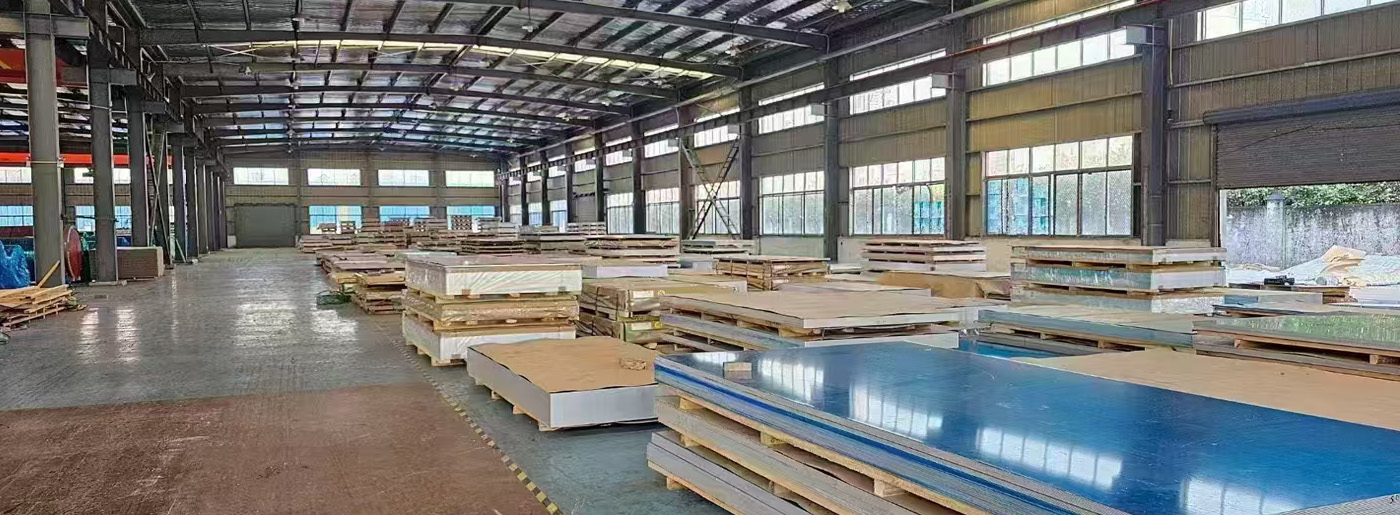
Exceptional Lightness: Only 33% of steel’s density paired with robust structural integrity, ideal for aerospace and automotive components.
Corrosion Resistance: Inherent resistance amplified by anodizing, ensuring longevity in outdoor or high-humidity settings.
Superior Formability: Enables precise cutting, bending, and punching for custom parts and non-magnetic precision electronics.

Applications span varied fields: in construction, they act as sleek curtain wall claddings, decorative ceiling panels, and weather-resistant exterior facades; the electronics sector leverages them for device enclosures, heat-dissipating sinks, and circuit board backplanes; transportation integrates them into auto body parts, aircraft cabin interiors, and marine decking.

Pre-installation steps require thorough surface cleaning to remove dust and grease. Connection methods include riveted/bolted joints for structural steadiness, adhesive bonding for seamless surfaces, and spot welding for load-bearing parts. Routine upkeep is hassle-free: wipe with neutral detergent and quarterly check for joint loosening.

Product Parameters

Grade 1000, 2000, 3000, 5000, 6000, 7000 series Temper T3-T8
Type Plate Application Industrial, construction, etc.
Width 100mm~2000mm Surface Treatment Coated, Anodized, Polished
Alloy Or Not Is Alloy Tolerance ±1%
Model Number 1060, 1200, 1100, 3003, 5052, etc. Processing Bending, Decoiling, Welding, Punching, Cutting
Length 2m, 3m, 5.8m, 6m, or as required Surface Finish Bright, polished, hair line, sand blast, checkered, embossed
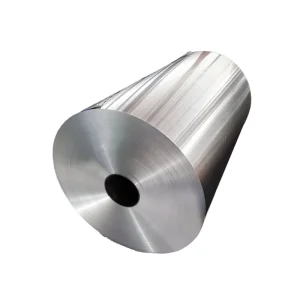
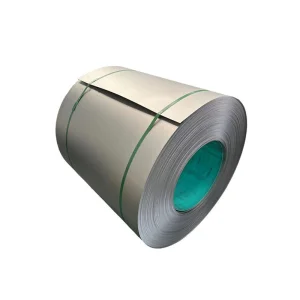
Process Rolled Shape Plate / Coil
Color Silver or Customized Sample Available

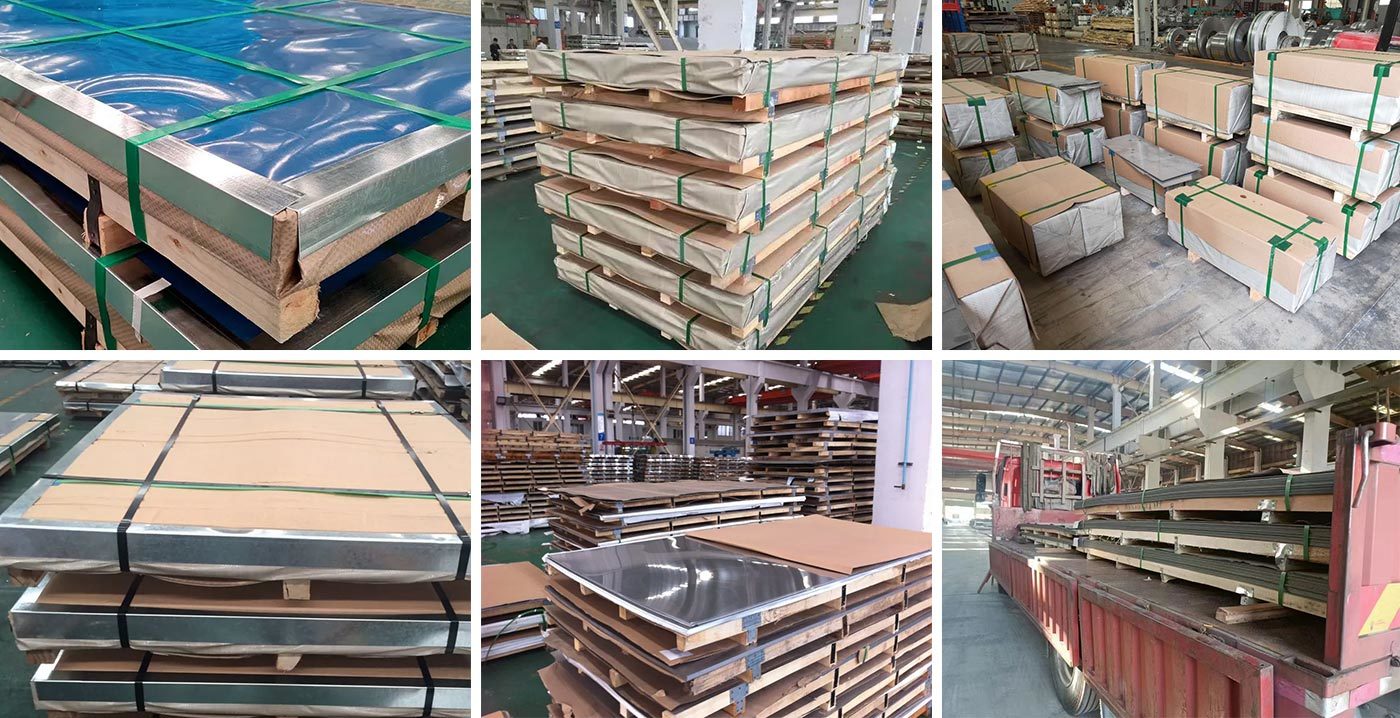
Packing and Shipping

Frequently Asked Questions

What are the common grades of aluminum plates?
The core grades include 1060 for universal low-stress use, 3003 for enhanced corrosion resistance in damp environments, and 5052 for structural load-bearing tasks.
Why choose aluminum plates over steel?
Aluminum plates offer exceptional lightness, being only 33% of the density of steel, while maintaining robust structural integrity and inherent corrosion resistance.
What industries use these plates?
They are widely used in construction (curtain walls, facades), electronics (heat sinks, enclosures), transportation (auto parts, aircraft interiors), and home appliances.
How should the aluminum plates be installed?
Installation methods depend on the application: riveted or bolted joints for stability, adhesive bonding for decorative surfaces, and spot welding for load-bearing components.
What maintenance is required?
Regular maintenance involves wiping the surface with a neutral detergent and performing quarterly checks on joints and connections to ensure long-term integrity.
Can aluminum plates be used outdoors?
Yes, especially when anodized. However, outdoor setups should include thermal expansion gaps to prevent deformation caused by temperature changes.

Related Products