Baimaoxing Baimaoxing

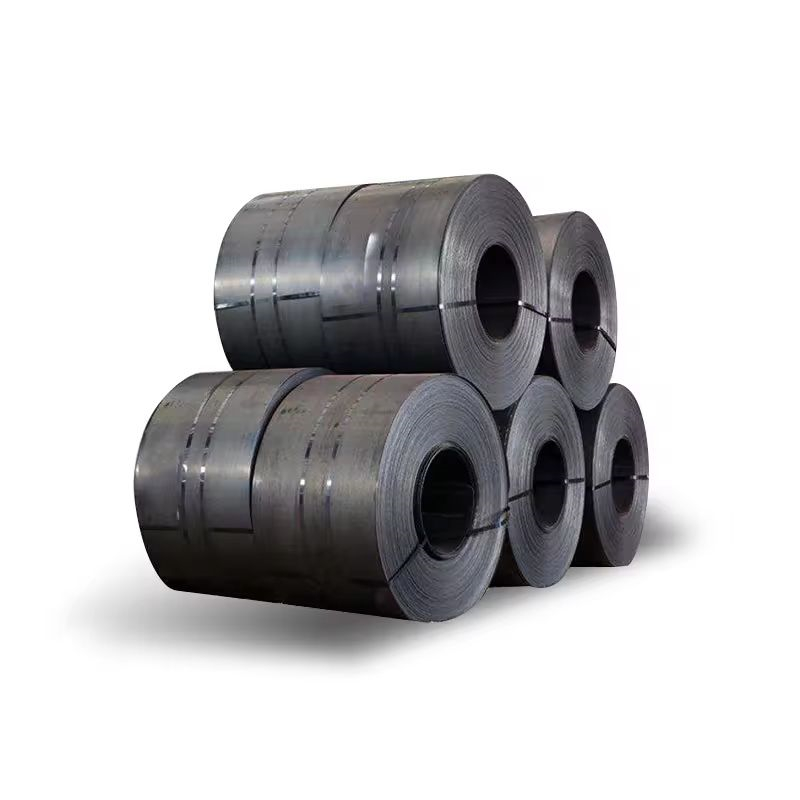
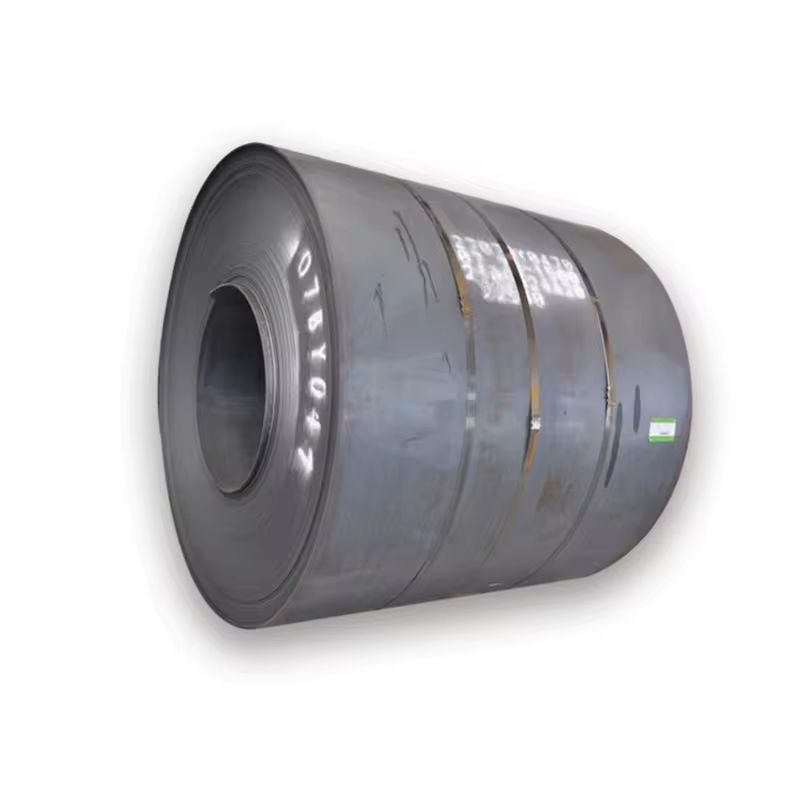
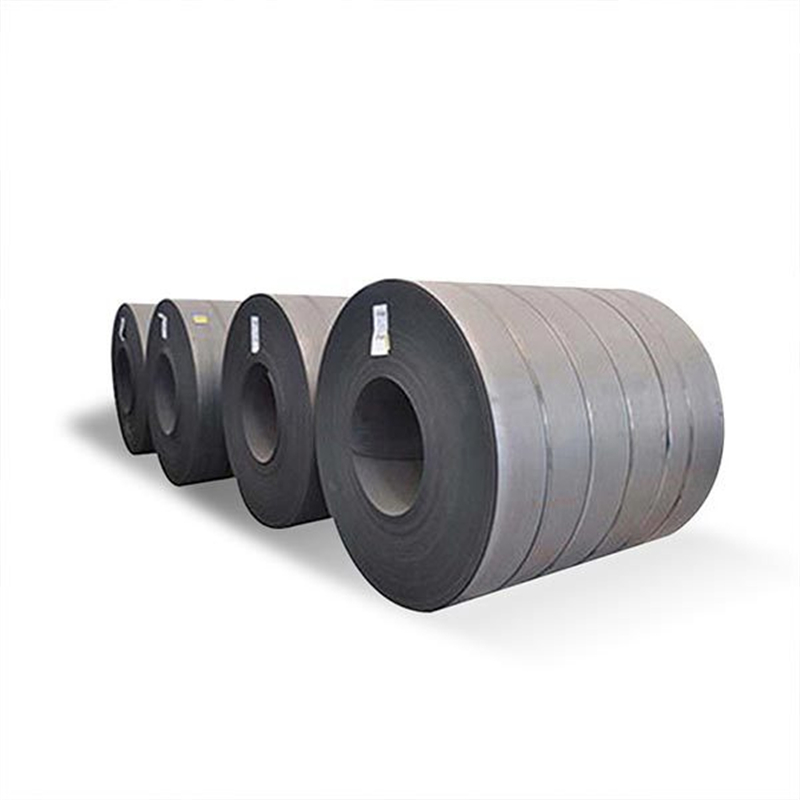
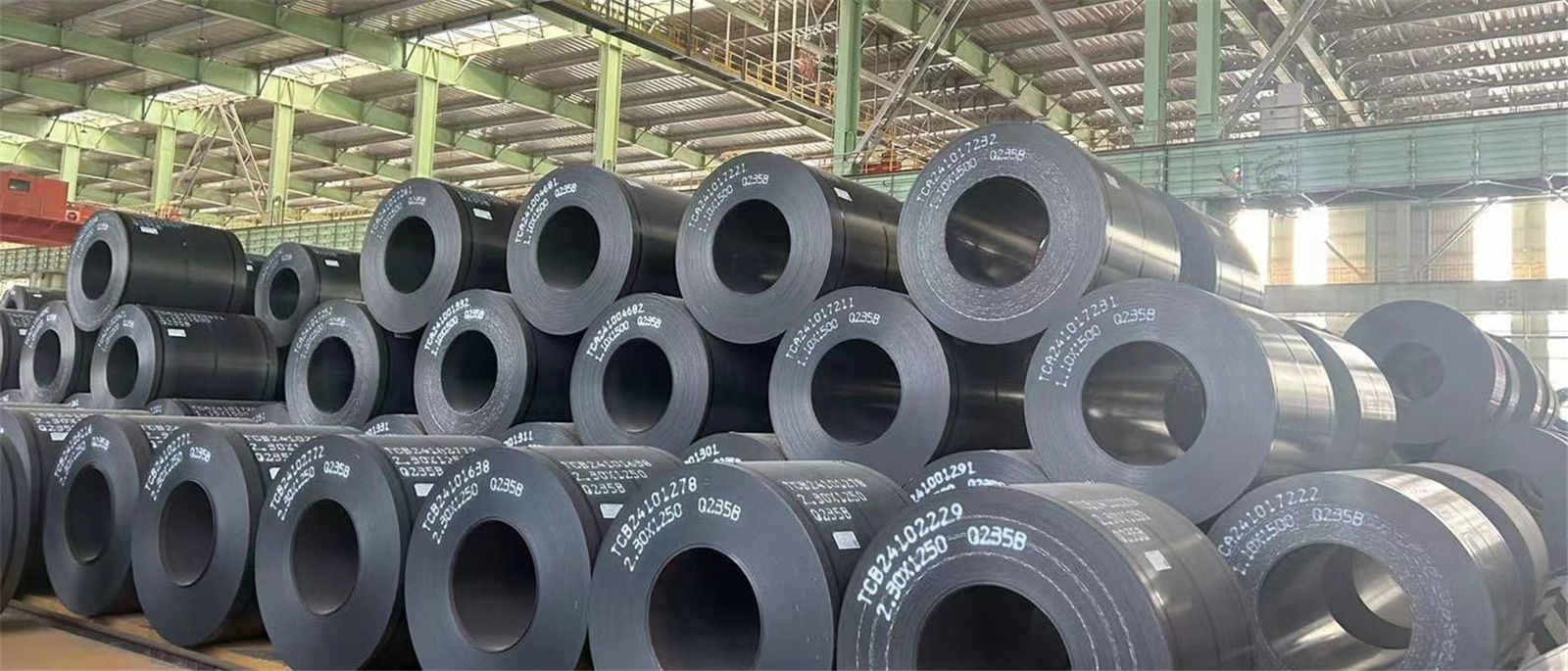
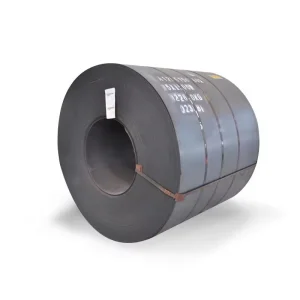
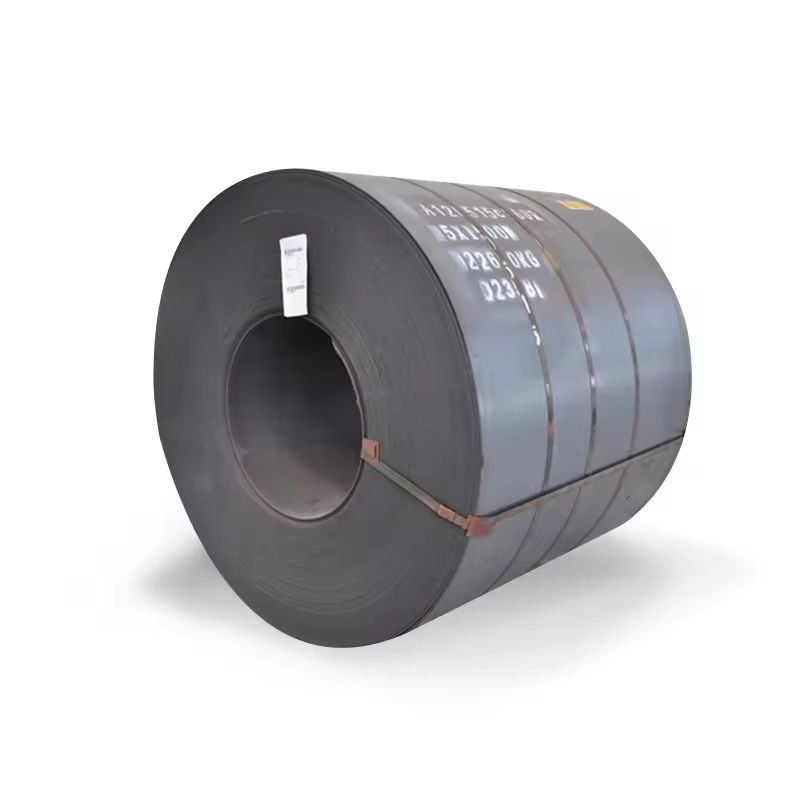
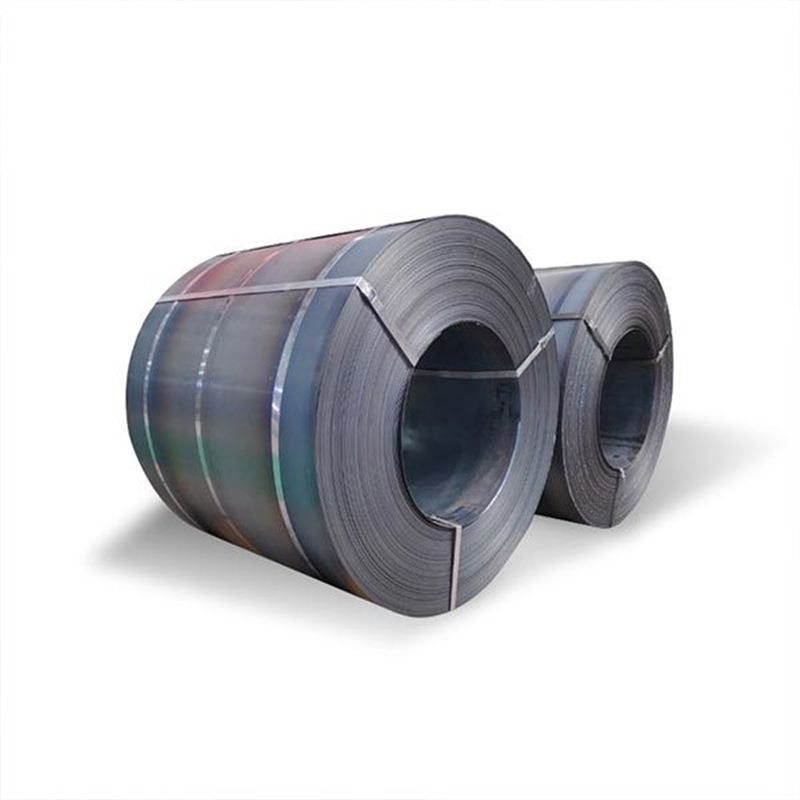
China Hot-rolled Q195/ Q235/ Q235b/ Q345/ A36/ SS400/ SA302 carbon steel coils for the construction industry Supplier, Factory

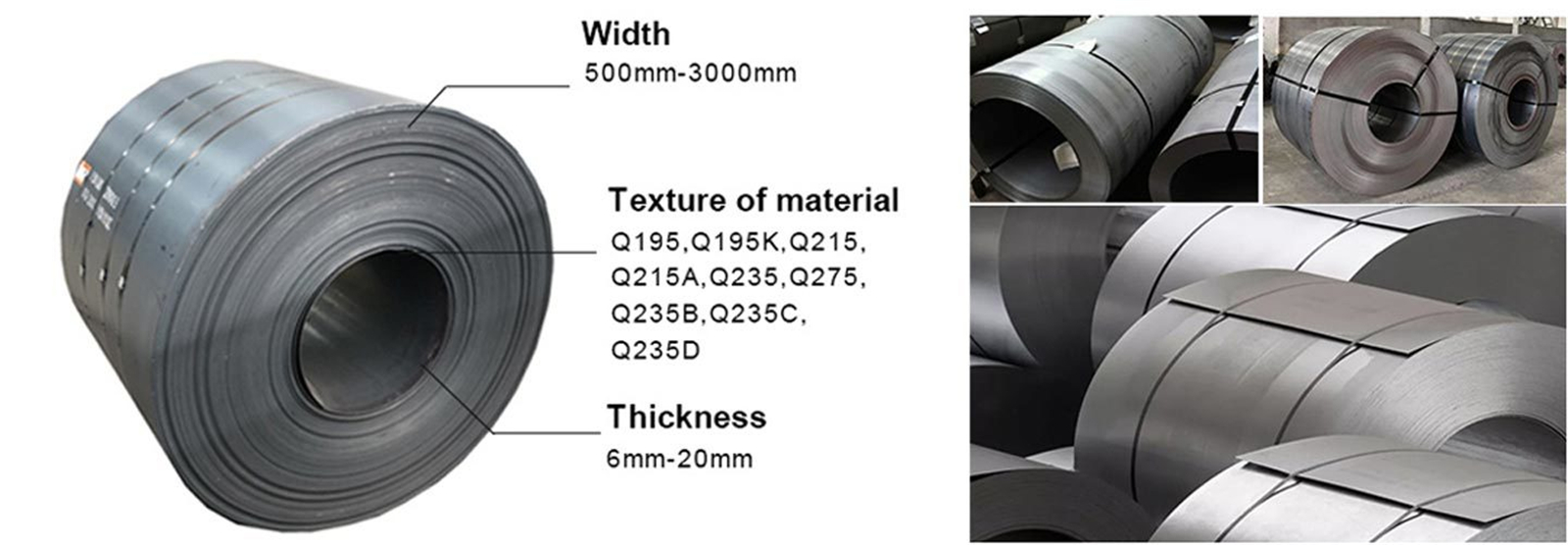
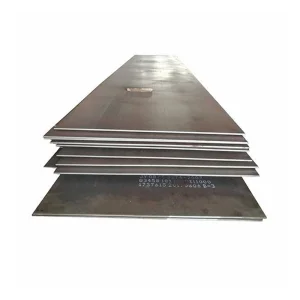
Carbon steel plate: Carbon steel refers to carbon steel with a carbon content of less than 0.8%.

Compared to carbon structural steel, carbon steel has lower levels of sulfur, phosphorus, and non-metallic inclusions, resulting in better mechanical properties. Based on carbon content, carbon steel can be divided into three categories: low-carbon steel (C≤0.25%), medium-carbon steel (C 0.25-0.6%), and high-carbon steel (C>0.6%).
Product Description

Carbon Steel Coil & Pipe Details

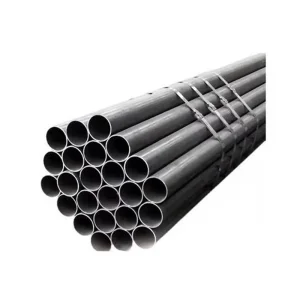
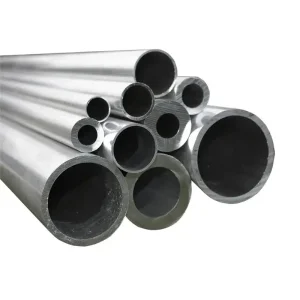
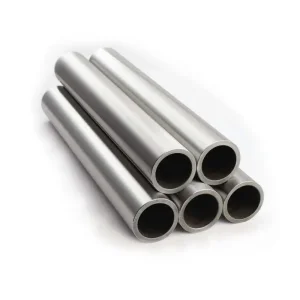
High-performance carbon steel pipes cover seamless and welded types, with a full range of grades including low-carbon (Q235B, A106 Gr.B, 10#) and medium-carbon (20#, 45#, A53 Gr.B) variants, tailored to industrial transport and structural needs. Seamless pipes manufactured via hot rolling/cold drawing of solid billets excel in high-pressure scenarios (up to 30MPa) with uniform wall thickness, while welded pipes (ERW, SAW processes) offer cost-effectiveness for large-diameter, low-to-medium pressure applications, with longitudinal/spiral welds for different load requirements.
✔ Specifications: Outer diameters from 10mm to 1600mm; wall thicknesses 1–60mm; lengths up to 12m or custom cut-to-length.
✔ Surface Treatment: Hot-dip galvanizing, epoxy coating, or plain mill finish for diverse environment requirements.
All pipes undergo strict quality control—ultrasonic flaw detection for welds, water pressure testing for leak tightness, and tensile testing—to ensure compliance with ASTM A106, GB/T 8163, API 5L, and EN 10217 standards. With excellent weldability and high tensile strength (235–600MPa), these pipes are foundational across oil/gas, construction, water treatment, machinery, and energy sectors.

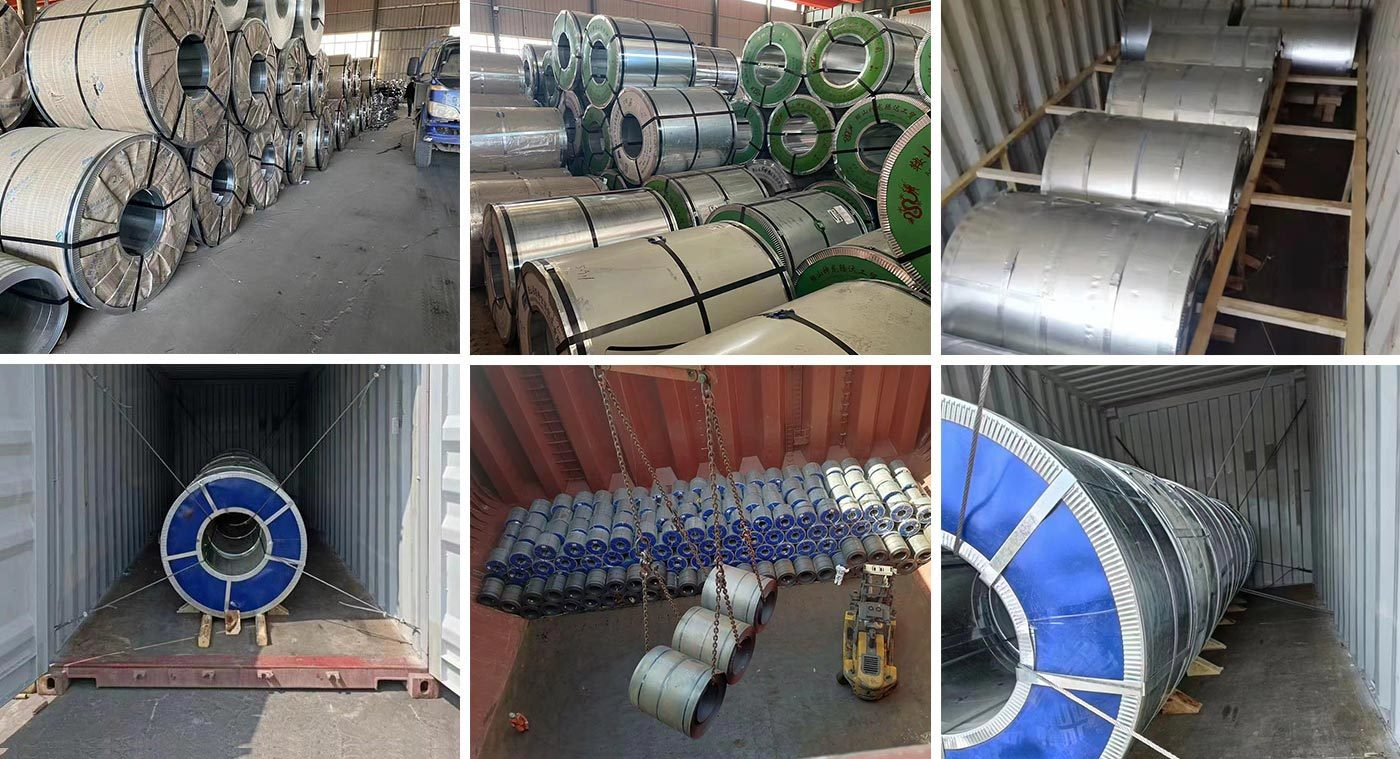
Packing And Shipping

Professional packing ensures the safety of the products during long-distance transportation. Each shipment is handled with moisture-proof materials and secure bundling to maintain the integrity of the steel surfaces and structures.

Frequently Asked Questions

Q1: What are the main differences between seamless and welded carbon steel pipes? Seamless pipes are made from solid billets and are ideal for high-pressure (up to 30MPa) applications. Welded pipes (ERW/SAW) are more cost-effective for large diameters and low-to-medium pressure needs.
Q2: Which international standards do your products comply with? Our products meet several global standards, including ASTM A106, GB/T 8163, API 5L, and EN 10217.
Q3: What range of sizes do you offer for carbon steel pipes? We provide outer diameters ranging from 10mm to 1600mm and wall thicknesses from 1mm to 60mm.
Q4: What kind of surface treatments are available? Options include hot-dip galvanizing for corrosion resistance, epoxy coating for chemical transport, or a standard plain mill finish.
Q5: How do you ensure the quality of the welds? We conduct strict quality control measures, including ultrasonic flaw detection, water pressure testing for leak tightness, and comprehensive tensile testing.
Q6: What are the typical applications for these steel products? Common applications include oil and gas transmission, structural construction, water treatment pipelines, machinery parts like hydraulic cylinders, and power plant steam pipes.

Related Products