Baimaoxing
China has become a major manufacturing base for Stainless Steel Belt products, serving heat treatment, food processing, electronics, packaging, and conveyor equipment markets. Its advantage is not only scale. It also includes integrated steelmaking, precision rolling, slitting, heat treatment, and export logistics.
The International Stainless Steel Forum reported global crude stainless steel production at approximately 58.4 million tonnes in 2023. China contributed about 36.7 million tonnes, representing roughly 63% of worldwide output. These figures explain China’s strong supplier network. Yet volume alone does not guarantee a dependable belt.
A reliable Stainless Steel Belt manufacturer must control thickness tolerance, flatness, tensile strength, edge quality, and surface finish. In practical use, a poorly finished edge can damage a delicate conveyor component. Uneven hardness may also cause tracking problems after repeated heating and cooling cycles. Small details matter.
Tim Collins, former Secretary-General of the International Stainless Steel Forum, described stainless steel as “a sustainable material by its very nature.” That view supports the material’s long service life and recyclability. Still, sustainability claims require evidence. Buyers should request mill certificates, testing records, grade confirmation, and traceable inspection data.
This guide examines China’s leading Stainless Steel Belt manufacturers through product capability, technical experience, quality systems, customization, delivery performance, and after-sales support. Some suppliers appear impressive online but provide limited technical documentation. That is a warning sign. The strongest manufacturers combine modern equipment with experienced engineers, clear communication, and consistent performance under real operating conditions.
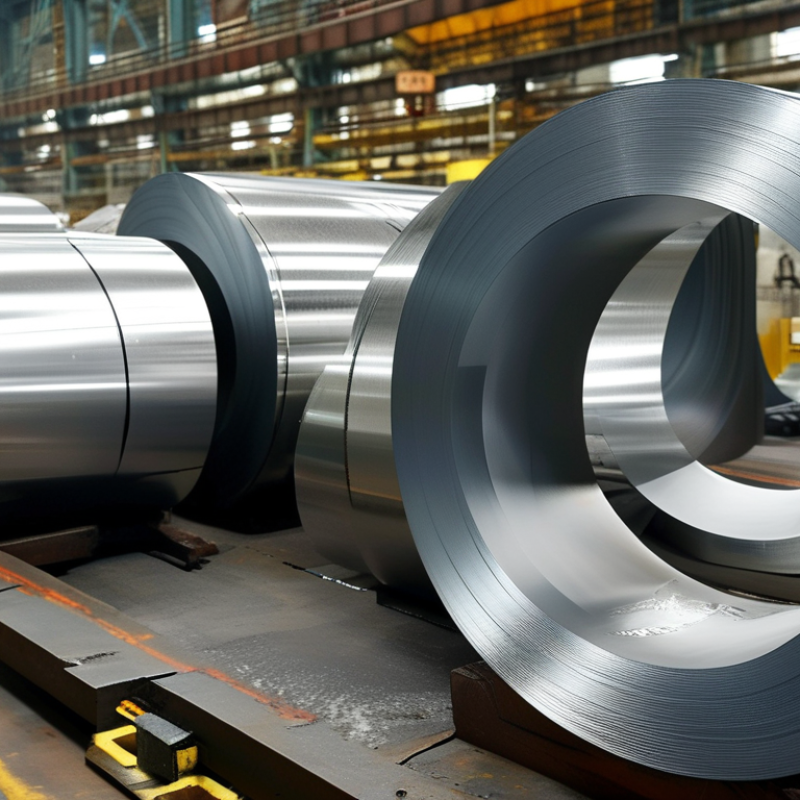
China’s stainless steel belt industry serves conveyor, packaging, heat-treatment, and precision equipment sectors. Manufacturers commonly process austenitic and heat-resistant stainless grades for different operating conditions. Coil material enters production after chemical and mechanical inspection. Slitting, rolling, annealing, and tension leveling then shape the belt. Surface matters. Small scratches can affect tracking and product cleanliness.
Experienced manufacturers control thickness, flatness, edge burrs, tensile strength, and dimensional tolerance. They may use laser measurement, hardness testing, and sample-based fatigue checks. For endless belts, welding quality requires particular attention. A weak joint can fail under repeated bending or thermal cycling. Reliable factories keep heat numbers, inspection records, and production dates linked to each batch. This traceability supports practical quality investigations.
Manufacturing capability varies widely across China. Some plants focus on standard widths, while others handle narrow belts, perforated designs, or customized profiles. Buyers should review material certificates, process controls, packaging methods, and previous application experience. Factory audits can reveal details that catalogs hide, including oil residue, uneven edges, or poor coil protection. Not every specification is realistic. Extra hardness may reduce flexibility, and mirror finishing may increase cost without improving performance. Suppliers and engineers still need to test the belt under actual load, speed, temperature, and cleaning conditions.
China Top Stainless Steel Belt Manufacturers
Stainless steel belts differ by weave, edge design, and surface finish. Flat wire belts offer stable support for baked goods, ceramic parts, and metal components. Balanced-weave belts improve flexibility around small pulleys. Chain-edge belts handle wider loads and reduce lateral movement. Perforated strip belts suit drying lines that need controlled airflow. They are not interchangeable.
Material selection changes operating life. Grade 304 works well in general food-processing and packaging environments. Grade 316 performs better where salt, cleaning chemicals, or high humidity are present. Heat-resistant alloys support furnace conveyors, though excessive heat can still distort thin sections. ASTM A580/A580M provides relevant stainless-steel wire requirements, but belt performance depends on welding quality and tension control.
World Stainless reported approximately 58.4 million tonnes of crude stainless steel production in 2023. This scale reflects demand across construction, transport, food equipment, and industrial machinery. Grand View Research estimated the global stainless steel market at about USD 207.6 billion in 2023, with continued growth expected through 2030. These figures support strong belt demand, but they do not guarantee suitability for every line. In practice, many failures begin with poor airflow calculations or an underestimated cleaning cycle. A belt may look correctly specified and still wear early. Experienced manufacturers should verify temperature, load, belt speed, opening size, and edge clearance before production. Small details matter.
Stainless steel belt selection depends on corrosion resistance, strength, flexibility, and operating conditions. The chart compares typical minimum tensile-strength values for widely used stainless steel grades and conditions. Grade 304 is commonly used in food processing and general conveying, 316L in chemical and marine environments, 301 half hard in high-strength flexible belts, and 17-7 PH in demanding spring and high-load applications. Values are based on commonly specified ASTM material requirements and may vary with thickness and heat treatment.
Chinese stainless steel belt manufacturers operate within a large and technically demanding supply base. World Stainless reported approximately 36.7 million tonnes of Chinese crude stainless steel production in 2023. That volume increases capacity, but it does not automatically prove consistent belt quality.
Reliable producers normally align purchasing and inspection with ASTM A480/A480M, EN 10088, or equivalent customer specifications. Incoming coils should receive chemical verification through optical emission spectrometry. Production teams then control thickness, width, hardness, tensile strength, and surface roughness. Typical inspections use calibrated micrometers, tensile machines, and surface comparators. Small deviations matter. A belt that varies by only a few hundredths of a millimetre can track poorly in continuous equipment.
Traceability is equally important. Each finished coil should connect to its heat number, rolling records, annealing temperature, inspection results, and packing details. ISO 9001 certification can support this structure, although certification alone cannot replace factory-level testing. The ISO Survey of Management System Standard Certifications shows the widespread use of ISO 9001 globally, yet documented systems still depend on honest execution.
Strong manufacturers also perform sampling before shipment and retain test reports for review. Independent laboratory testing adds confidence for critical applications. However, no inspection plan is flawless. Sampling may miss an isolated edge crack or handling mark. Buyers should therefore request production photos, recent test data, calibration records, and clear acceptance limits before ordering. Availability is not the same as reliability.
Evaluating China’s top stainless steel belt suppliers requires more than comparing prices. The International Stainless Steel Forum reported global crude stainless steel production at about 58.4 million tonnes in 2023. China contributed roughly 62%, showing strong manufacturing depth. However, capacity alone does not prove consistency.
Ask for mill certificates, chemical analysis, hardness results, and dimensional inspection records. Check the belt’s grade, width tolerance, thickness tolerance, surface finish, and tensile strength. For heat-treatment or conveyor applications, request sample strips and test them under real tension.
A reliable supplier should explain coil origin, slitting controls, welding methods, and batch traceability. ISO 9001 certification helps, but it should support evidence, not replace it. Factory audits still matter.
Tips:
Compare three sample batches, not one. Measure thickness at several points with a calibrated micrometer. Review the supplier’s 2023–2024 export history through customs or trade records. Confirm packaging details, including edge protection, moisture barriers, and coil weight. A low quote can be attractive. It can also hide unstable tolerances, delayed delivery, or expensive rework. That judgment is easy to miss. No audit is perfect, so keep technical communication documented and ask difficult questions before signing. A strong supplier welcomes corrective-action reports and provides clear lead-time commitments.
China’s top stainless steel belt manufacturers support buyers beyond factory production. Experienced exporters usually manage material certificates, packing lists, and shipping documents with care. They also understand container loading, moisture protection, and destination-specific delivery requirements. A reliable supplier should explain lead times clearly and report delays before they affect your schedule.
Customization is often the real test. Buyers may request different widths, thicknesses, edge finishes, hardness levels, or coil lengths. Professional manufacturers confirm drawings, tolerances, and application conditions before cutting material. Sample production helps verify surface quality and tensile performance. However, no supplier gets every detail right on the first attempt. Clear technical communication still matters more than attractive promises.
Tips: Ask for recent export references, inspection records, and a sample before placing a large order. Confirm packaging photos and spare material policies. After-sales support should include prompt replies, corrective analysis, and practical replacement solutions. A useful supplier keeps production records for each batch. That detail can save time when a surface mark or dimensional issue appears later. Some factories respond well, but their technical English may be limited. Use simple drawings and written specifications. Do not rely on verbal assumptions.
: They serve conveyor, packaging, heat-treatment, drying, and precision equipment industries. Common applications include baked goods, ceramic parts, metal components, and furnace conveyors.
Grade 304 suits general processing and packaging environments. Grade 316 handles salt, cleaning chemicals, and high humidity better. Heat-resistant grades support elevated-temperature applications.
Production usually includes slitting, rolling, annealing, and tension leveling. Manufacturers also control thickness, flatness, edge burrs, tensile strength, and dimensional tolerance.
Request material certificates, inspection records, production dates, and batch traceability. Useful tests include laser measurement, hardness testing, and sample fatigue checks.Small details matter.
A weak weld may fail during repeated bending or thermal cycling. Buyers should inspect joint appearance, strength, alignment, and finishing before installation.
Flat wire belts provide stable support for products and components. Balanced-weave belts bend more easily around small pulleys. Chain-edge belts improve lateral control for wider loads. Perforated belts support controlled airflow during drying.
No. Belt openings, edge structures, flexibility, and load support vary significantly. A belt that looks suitable may track poorly or wear quickly.
Inspect coil protection, oil residue, uneven edges, equipment condition, and process records. Catalog photos can hide practical problems. Sometimes the factory floor tells more.
Confirm operating load, speed, temperature, cleaning cycle, airflow, opening size, and edge clearance. Extra hardness can reduce flexibility. Mirror finishing may raise cost without improving performance.
Yes. Test it under real load, speed, temperature, and cleaning conditions whenever possible. Laboratory data helps, but it cannot reveal every tracking or fatigue problem.
China’s stainless steel belt manufacturing industry has developed into a competitive sector serving food processing, chemical production, packaging, electronics, heat treatment, and material handling. Chinese manufacturers produce various belt types, including flat belts, perforated belts, mesh belts, and customized conveyor belts, each designed for specific operating temperatures, loads, speeds, and corrosion conditions. Their production processes generally emphasize material traceability, dimensional accuracy, welding quality, surface treatment, tensile strength, and resistance to wear and oxidation.
When evaluating China’s top suppliers, buyers should consider manufacturing experience, equipment capability, quality management systems, inspection procedures, production capacity, and the ability to provide technical documentation. Export experience, flexible customization, secure packaging, delivery reliability, and responsive after-sales support are also important factors. A dependable Stainless Steel Belt supplier should be able to recommend suitable materials and belt structures, produce according to detailed specifications, maintain consistent quality between batches, and assist customers with installation, maintenance, and long-term application requirements.
