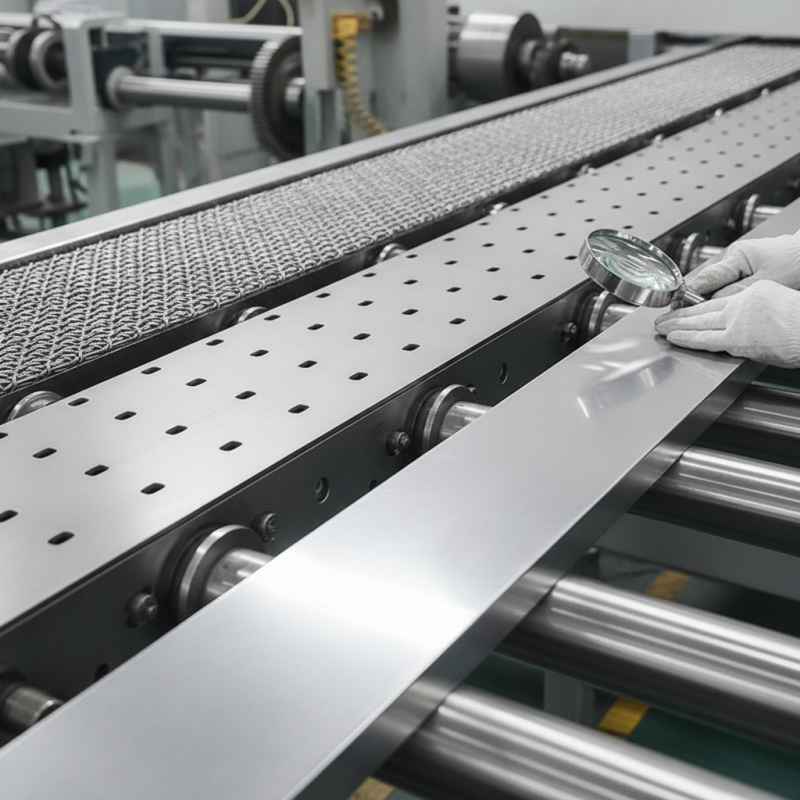
Choosing the right Stainless Steel Belt is crucial for various applications. The market offers a wide range of options. With so many choices, making the best decision can be daunting.
A Stainless Steel Belt must suit your specific needs. Consider factors like thickness, width, and strength. These characteristics affect both performance and durability. Many users overlook the importance of quality. A low-quality belt can lead to failures and increased costs over time.
Evaluate the manufacturer’s reputation. Trustworthy brands often provide detailed specifications. Look for user reviews and expert recommendations. This information helps create a picture of reliability. Reflecting on your own experiences can uncover valuable insights as well. Your choice of Stainless Steel Belt can significantly impact your operations. So take your time and analyze the options carefully.
Understanding Stainless Steel Belt Types and Their Applications
Choosing the right stainless steel belt involves understanding the different types available in the market. There are various grades of stainless steel, including 304 and 316, each with unique properties suited for specific applications. For instance, 304 is commonly used in food processing due to its corrosion resistance, while 316 offers enhanced resistance in marine environments.
When selecting a belt, consider its application. A belt used in high-temperature environments needs to withstand heat without losing structural integrity. Likewise, a belt used in a chemical setting should resist potential damage from various substances. Evaluating these factors is essential for durability and performance.
Tips: Look for belts that provide clear specifications. These details can help match the belt with your project needs. Additionally, consider the maintenance requirements. A belt that requires minimal upkeep may be more advantageous in the long term. Before making a decision, weigh your options carefully. Making a hasty choice can lead to unexpected issues down the line.
Key Factors to Consider When Selecting a Stainless Steel Belt
When selecting a stainless steel belt, several key factors should be carefully evaluated. One of the most crucial aspects is the specific application. Different industries require belts with varying properties, such as corrosion resistance, heat resistance, and flexibility. For example, in food processing, a belt with high corrosion resistance is vital, as per the 2022 Industry Standards Report, highlighting that belts with over 12% chromium provide excellent protection against chemical exposure.
The belt's design is another essential consideration. The thickness, weave pattern, and finish impact not only durability but also functionality. A report by the Metal Conveyor Belt Manufacturers Association cites that thinner belts (around 0.3 mm) are suitable for lighter applications, while heavier options (up to 1 mm) work best for more demanding environments. Additionally, the choice of finish—be it polished or matte—can affect both performance and aesthetic appeal.
Lastly, sourcing stainless steel belts from manufacturers with proven reliability is vital. Quality certifications, such as ISO 9001, assure compliance with industry standards. However, many users overlook supplier histories, which can significantly impact the longevity and performance of the belt. Conducting due diligence in this regard can prevent costly mistakes later. Understanding these factors can lead to a more informed choice, ultimately enhancing operational efficiency.
Comparing the Durability and Strength of Different Stainless Steel Alloys
When selecting a stainless steel belt, understanding the different alloys is crucial. Alloy types vary significantly in durability and strength, impacting their performance in various applications. For instance, 304 stainless steel is resistant to oxidation and corrosion, making it suitable for moderate conditions. In contrast, 316 stainless steel offers superior corrosion resistance, particularly against saltwater and chemicals. This makes 316 ideal for marine environments.
When considering durability, pay attention to the belt thickness and density. Thicker belts often resist wear better. However, they may lack flexibility. It's essential to find a balance that suits your needs. Additionally, maintenance plays a critical role. Regular cleaning can prolong the life of stainless steel.
Tips: Always test the belt in your specific application before full deployment. Look for feedback from users with similar demands. Don’t overlook the environment where the belt will function. Factors like temperature and exposure to certain chemicals can dramatically affect performance. Keep in mind that what works for one scenario may not work for another.
Evaluating Cost-Effectiveness in Stainless Steel Belt Options
When choosing a stainless steel belt, cost-effectiveness is vital. Analyzing options helps buyers avoid overspending. While cheaper belts are tempting, they may lack durability. A balance between price and quality is key.
Consider the specific use. Some tasks demand high-strength materials. Other applications may be less demanding. The price should reflect the required performance levels. Do not forget to check the warranty or guarantee. A reliable product should come with assurance.
It can be challenging to navigate available choices. Be wary of products that look appealing at first glance but fail in performance. Research user reviews and expert opinions helps. Remember, investing in quality often pays off in the long run. You might regret saving a few dollars now if the belt fails later.
Maintenance Tips for Prolonging the Life of Your Stainless Steel Belt
Stainless steel belts are durable and versatile, but they require proper care to extend their lifespan. Regular cleaning is crucial. Use a soft cloth and mild detergent to wipe the belt. This helps remove grime and prevents rust. Pay special attention to seams and joints, where debris can accumulate. Routine maintenance should include a weekly inspection for signs of wear or damage.
Consider storing your stainless steel belt in a dry place. Humidity can lead to corrosion, even in stainless steel. Avoid leaving it exposed to harsh chemicals or environments. If you notice scratches or dents, address them promptly. Use a fine abrasive pad for minor surface imperfections, but don’t overdo it.
Don’t forget about lubrication. Apply a small amount of food-grade lubricant on moving parts. This can improve functionality and reduce friction. Lastly, educate yourself on the specific needs of your belt type. While every belt is unique, generalized practices can lead to overlooked maintenance.
Each care step can significantly affect your belt’s performance and longevity. Always reflect on your maintenance routine; there's always room for improvement.
FAQS
: Cost-effectiveness helps buyers avoid overspending. It ensures you balance price and quality effectively.
The price should match the specific performance requirements of your application. Consider the belt's intended use.
A reliable product should come with protection against defects. Always check the warranty details before making a purchase.
Regular cleaning with a soft cloth and mild detergent is essential. Inspect seams and joints for grime buildup.
Store the belt in a dry place and avoid harsh chemicals. Humidity can accelerate corrosion, even in stainless steel.
Address scratches promptly using a fine abrasive pad. However, avoid excessive use to prevent further damage.
Applying food-grade lubricant reduces friction and improves functionality. Regular lubrication can enhance the belt's performance.
Routine inspections should be done weekly to check for wear, damage, and to ensure ongoing performance.
Reflecting on your routine may reveal areas for improvement. Customized care is essential; each belt has unique needs.
A cheap belt may seem appealing but could lack durability. You might regret your choice if it fails early on.
Conclusion
When selecting a Stainless Steel Belt, it's essential to understand the various types available and their specific applications. Different stainless steel alloys offer varying levels of durability and strength, which can significantly impact their performance in different environments. Key factors to consider include the belt's intended use, resistance to corrosion, and temperature tolerance, all of which will influence the choice of material.
Moreover, evaluating the cost-effectiveness of different stainless steel belt options is crucial for making a smart investment. While some may have a lower initial price, long-term maintenance and durability should also be reflected in the decision-making process. Regular maintenance practices can further prolong the life of your Stainless Steel Belt, ensuring optimal performance and minimizing replacement needs. By carefully considering these factors, you can choose the best stainless steel belt that meets your specific requirements.
 Baimaoxing