Baimaoxing
When it comes to global procurement needs, purchasing Angle Steel requires careful consideration. This essential material is widely used in various industries, from construction to manufacturing. According to a report by the Global Steel Alliance, the demand for Angle Steel has increased by 15% over the past year, reflecting its vital role in infrastructure projects.
Expert Andrew Miller, a leading figure in the Angle Steel industry, emphasizes, "Quality and reliability in sourcing Angle Steel can significantly impact project success." His insight highlights the importance of understanding the nuances of different suppliers. It is essential to evaluate various options and consider factors such as material specifications, supply chain dynamics, and pricing structures.
In an evolving market, reflecting on sourcing strategies is crucial. Many procurement teams overlook the impact of local regulations and shipping costs. Taking these variables into account can lead to better decision-making. The journey to procure Angle Steel might have hurdles, but awareness of the landscape can facilitate smoother operations.
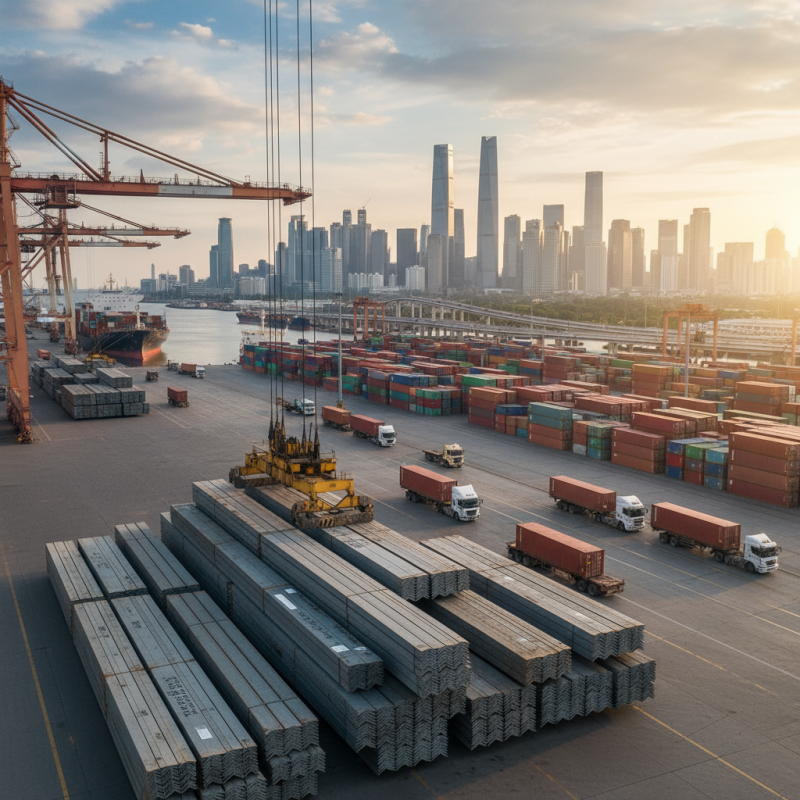
When sourcing angle steel, understanding its types and grades is crucial. Angle steel is categorized based on its shape, size, and composition. Common types include equal and unequal angles, with equal angles being versatile and widely used in construction and manufacturing. Unequal angles provide more structural support in specific applications.
The grades of angle steel vary from low to high strength. Standard grades include S235, S275, and S355. Each grade reflects different mechanical properties, such as yield strength and tensile strength. When procuring angle steel, it’s important to assess how these grades align with your project needs. You may find that a higher grade offers better durability but could be more costly.
International standards influence the availability of these types and grades. Some markets may have limited choices, impacting project timelines. This can lead to frustration in procurement processes. It’s essential to stay informed about local regulations and quality standards. This knowledge helps mitigate risks associated with sourcing angle steel from different regions.
Evaluating suppliers for angle steel can significantly impact your procurement strategy. Various factors must be considered to secure reliable materials. According to a recent industry report, over 45% of procurement managers cite supplier reliability as a primary concern. This metric highlights the importance of choosing partners who deliver consistent quality.
Quality certifications are also crucial. Suppliers should ideally hold ISO 9001 or equivalent certifications. These standards demonstrate their commitment to quality management systems. However, keep in mind that certifications alone do not guarantee performance. A thorough assessment of past projects and client testimonials must also be factored in.
**Tips:** Engage in supplier audits. These allow you to assess capabilities on-site. Additionally, explore regional suppliers. Buying locally can reduce logistics costs and lead times. Be cautious about sole sourcing; diversifying your supplier base can mitigate risks. Consider developing long-term relationships with selected suppliers rather than opting for the lowest initial costs.
When examining the global trade of angle steel, understanding cost variables is crucial. Pricing trends can fluctuate due to many factors like supply chain disruptions, demand surges, and regional tariffs. Markets in various countries might respond differently to global events, affecting your procurement strategy.
Tracking pricing trends will give you insights into purchase timing. For instance, if demand is high in one region, prices may increase there. It’s advisable to monitor multiple regions to find the best offers. Always consider the shipping costs that may fluctuate based on global oil prices.
**Tips:** Research local markets. Prices may vary widely based on proximity and availability. Consider bulk purchasing for better rates. Engage with suppliers to understand their pricing structure, including potential hidden fees. Staying informed about market changes will enhance your buying decisions.
Long-term contracts can sometimes lock in better pricing, but flexibility is essential. Regularly review your procurement strategy, adjusting as needed based on market conditions. Keep communication open with suppliers for potential discounts during low-demand periods.
When sourcing angle steel for global procurement, understanding quality standards and certifications is crucial. Various international standards, like ASTM and ISO, dictate the specifications for angle steel. Angle steel must meet these standards to ensure safety and reliability in construction and manufacturing applications. Reports indicate that over 45% of steel manufacturers fail to meet these benchmarks.
Keep in mind the importance of certifications. A product may be structurally sound but lack the documentation to prove it. Verify if the supplier has certifications from recognized bodies. This adds a layer of trustworthiness. Reliable suppliers often share their compliance certificates openly.
Tip: Always request test reports from suppliers. Independent third-party testing confirms that angle steel meets required standards.
Another aspect to consider is the variability in quality across regions. Steel from different countries may be subjected to unique regulations, impacting its overall quality. A study published in the "International Journal of Steel Research" found that regional variations can influence tensile strength by up to 15%.
Tip: Conduct a risk assessment based on geographical sourcing. Understanding regional standards can save significant hassles later on.
When procuring angle steel internationally, logistics and shipping play crucial roles.
According to recent industry reports, effective logistics management can reduce shipping costs by up to 20%.
It's essential to consider factors like freight routes, customs regulations, and delivery timelines.
Improper planning can lead to delays and increased expenses.
Transporting angle steel may involve multiple shipping methods, including sea freight and air freight.
Sea freight is often cost-effective for bulk purchases but can take longer.
Air freight is faster, yet it can be significantly more expensive.
A logistics strategy tailored to your procurement needs is vital.
Tip: Always check local regulations regarding the import of steel products.
This can prevent compliance issues that may block your shipments.
Furthermore, choosing the right shipping partners is vital.
Research carrier reliability and service history.
Delays due to carrier errors can negatively impact project timelines.
Tip: Consider obtaining quotes from multiple logistics providers to compare costs and services effectively.
Prioritize those with expertise in handling angle steel to ensure safer transport.
: Angle steel typically comes in equal and unequal types. Equal angles are adjustable, while unequal angles offer extra support.
Grades can range from low to high strength. Standard grades include S235, S275, and S355.
Consider the types, grades, supplier reliability, and quality certifications. These factors significantly impact your procurement.
Certifications like ISO 9001 show a supplier's commitment to quality. However, they don't guarantee performance alone.
Review past project outcomes and client testimonials. Conducting supplier audits offers deeper insights into their capabilities.
International standards dictate specifications. Steel must comply to ensure safety in construction and manufacturing.
Always request test reports from suppliers. This ensures that the steel meets the necessary standards.
Different countries may have unique regulations impacting steel quality. This can lead to variations in tensile strength.
Limited availability, certification inconsistencies, and regional quality differences can complicate procurement.
Sole sourcing can be risky. It's better to diversify your supplier base to mitigate potential issues.
When engaging in global procurement of Angle Steel, it is crucial to understand the various types and grades available in the market. Each type of Angle Steel serves different applications, making it essential to assess the specific requirements based on project needs. Additionally, evaluating suppliers involves considering key factors such as reputation, reliability, and production capacity, which can significantly impact the procurement process.
Cost variables also play a vital role, as pricing trends in the Angle Steel industry fluctuate due to factors like supply and demand, geopolitical influences, and raw material costs. Furthermore, adhering to quality standards and certifications is paramount to ensure that the Angle Steel products meet international specifications. Lastly, logistics and shipping considerations must be taken into account to navigate the complexities of international trade, ensuring timely delivery and cost efficiency in procurement.
